




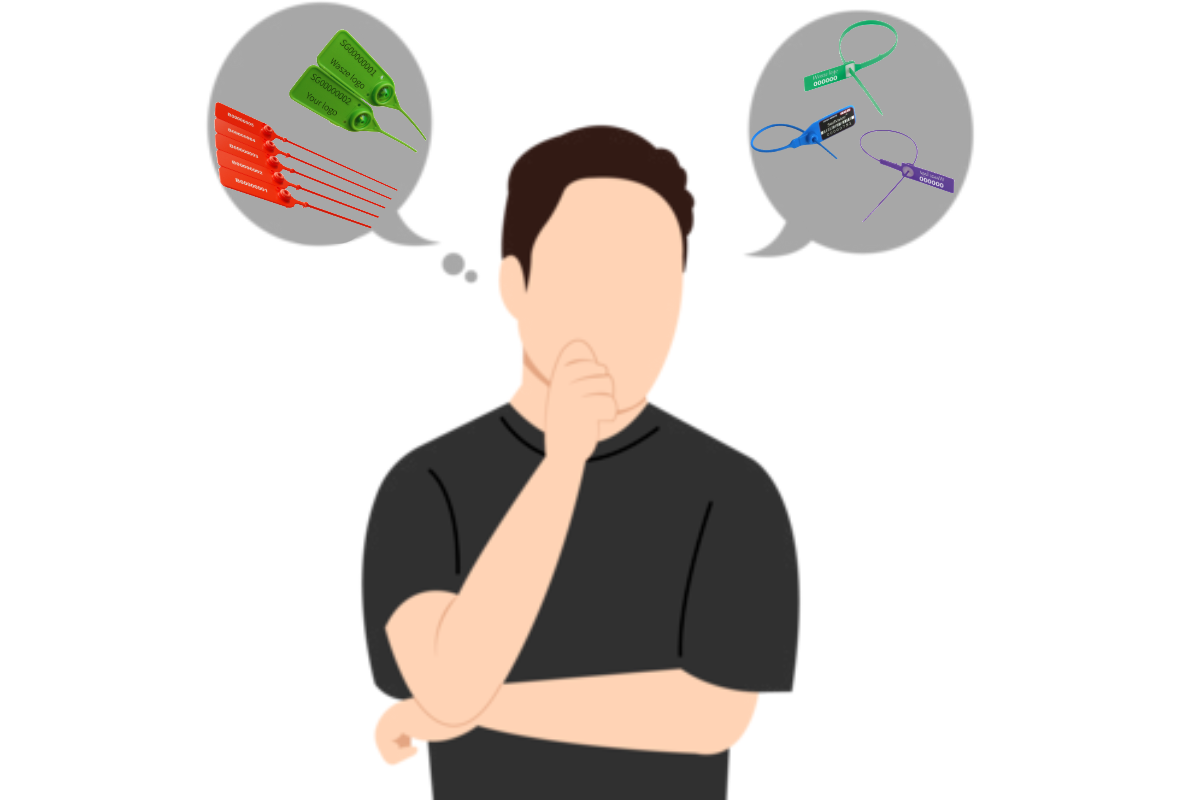
When choosing a plastic seal model, it is important to pay attention to the following parameters:
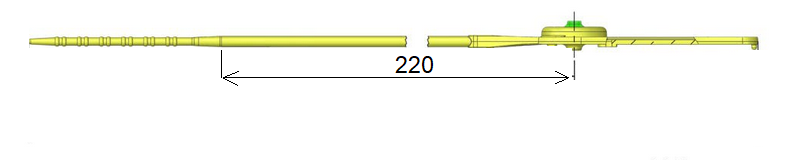
1/ working length, also known as operational length - this is one of the key parameters that determines the choice of a given model. The length of the string (the so-called whisker) should be selected so that it is possible to pull it through the eyelets / holes or other parts of the secured property in order to permanently seal a given object. It is not recommended to use seals that are too long, so that part of the string does not protrude beyond the flag after sealing and there is no need to cut it to the desired length. Below we present the operational lengths of SafeGarant seals
| SGU 140 | 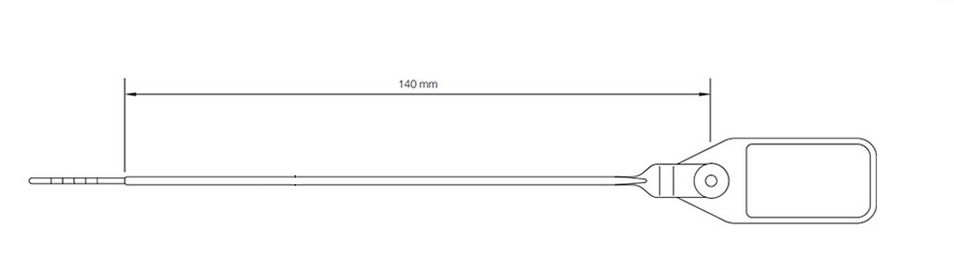 |
| SGH 200 |  |
| SGU 220 | 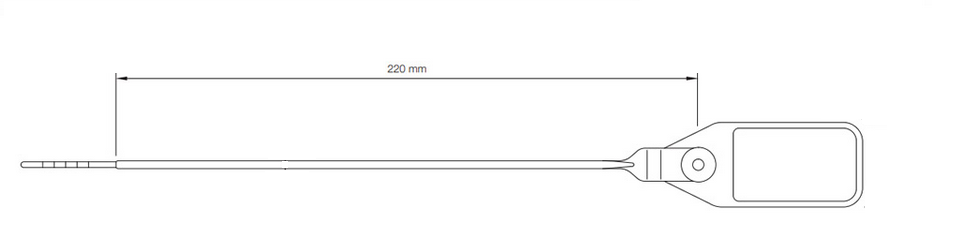 |
| SG 220 |
|
| SGH 300 | 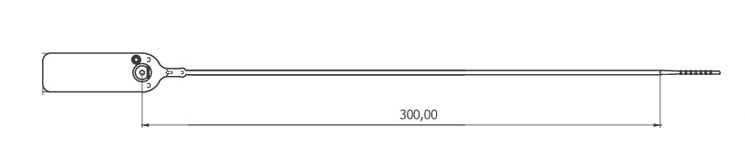 |
| SG 305 Tr | 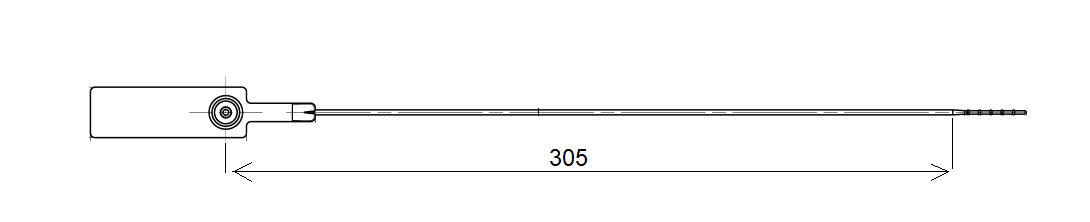 |
| SGU 320 | 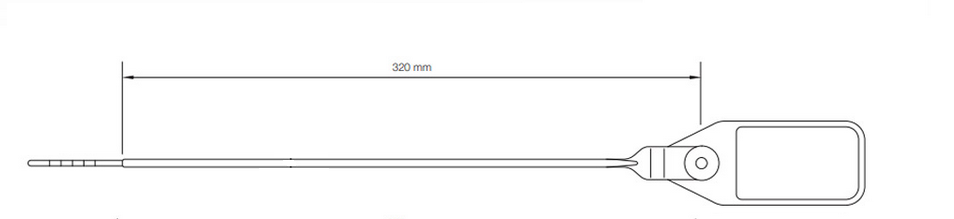 |
| SG 350 | 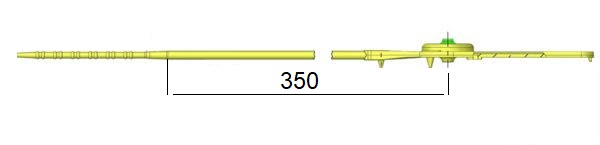 |
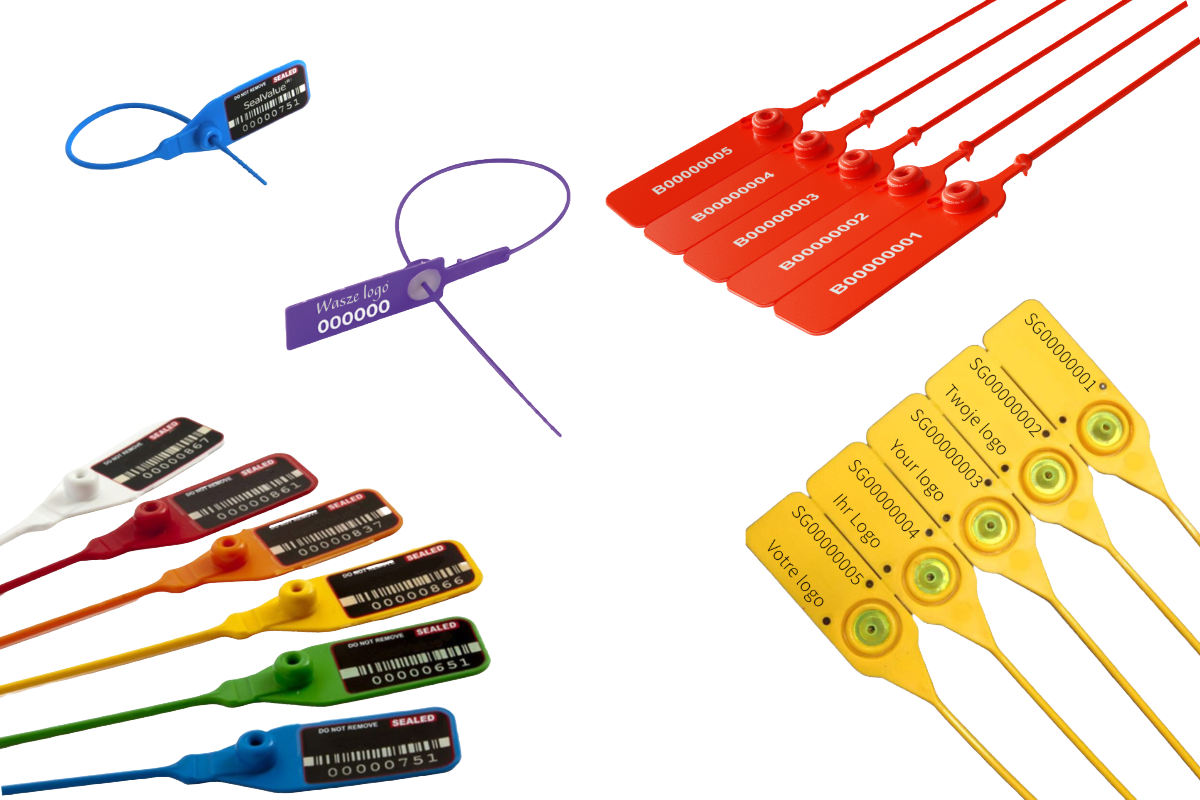
2/ flag size – the flag size is the area available for printing unique sequential numbering and additional customer printing (name/logo/barcode). We encourage you to personalize seals – add your own prints – which increases their security and the trust of contractors. This is also a way of additional advertising for the company.
3/ material - plastic seals are usually made of polypropylene or polypropylene with the addition of copolymers (the purpose of these additions is to increase the stiffness of the seal, improve the range of operating temperatures and enable marking of seals using the laser method – the only permanent method that leaves traces visible to the naked eye when trying to remove it). We would like to draw your attention to the fact that all nice-looking colour prints made using thermotransfer or thermostamping methods, apart from their visual aspect, have a disadvantage in the form of the possibility of their easy removal using generally available chemical agents. When deciding on such a visual aspect, please take this into account.
4/ Closing mechanism – two types of mechanisms are available on the European market:
a) plastic, so-called bead seals – an unsafe and now somewhat archaic mechanism with a disadvantage in the form of the possibility of its easy opening and re-closing by skillfully heating the sealing chamber. Seals with such a mechanism are becoming less and less common on the market and are used to secure low-value items.
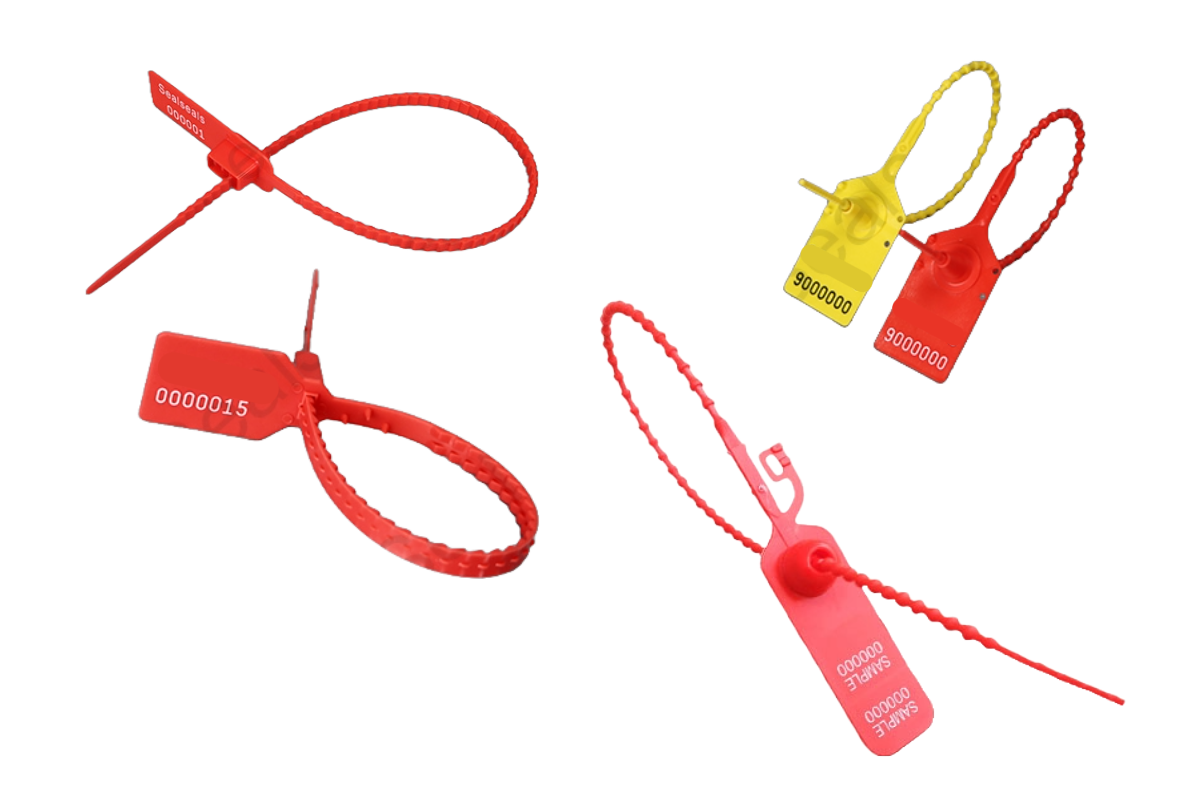
b) metal with the use of a plate (depending on the manufacturer, galvanised, stainless steel and others) with various shapes and contours of "teeth" – the safest mechanism today, guaranteeing 99% effectiveness and the impossibility of reusing a properly closed seal.
In case of any questions or doubts when choosing the right protection for you, please contact us by e-mail or phone.
 Log in with Facebook
 Log in with Google